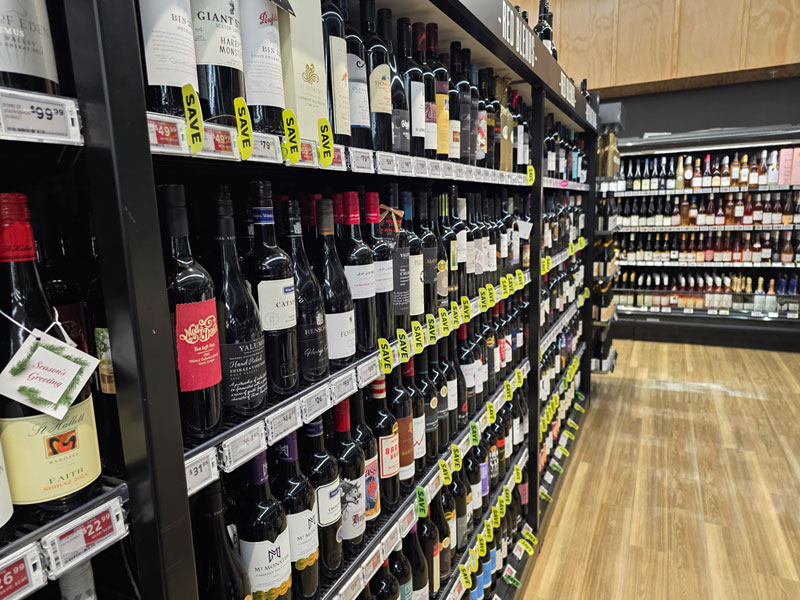
A retailer who only recommends what they sell? Or is potentially rewarded behind the scenes for recommending certain wines? Wine producers’ marketing budgets are often spent on the murky practices known as “retail support” or ‘below the line” marketing.
Perhaps you prefer public ratings on a free wine app. But how useful are they really? Most consumer ratings tend towards the middle of the spectrum and probably indicate popularity rather than actual quality.
And then there are critics – people who often taste thousands of wines and can describe them in ways that can sometimes leave less experienced drinkers more confused than enlightened. Looking for a wine that reminds of “freshly laundered linen” anyone?
Australian and New Zealand wine shows assess upwards of 15,000 individual labels each year. Those wines collectively produce tens of thousands of scores annually. That makes the shows the single biggest source of data of wine quality available anywhere.
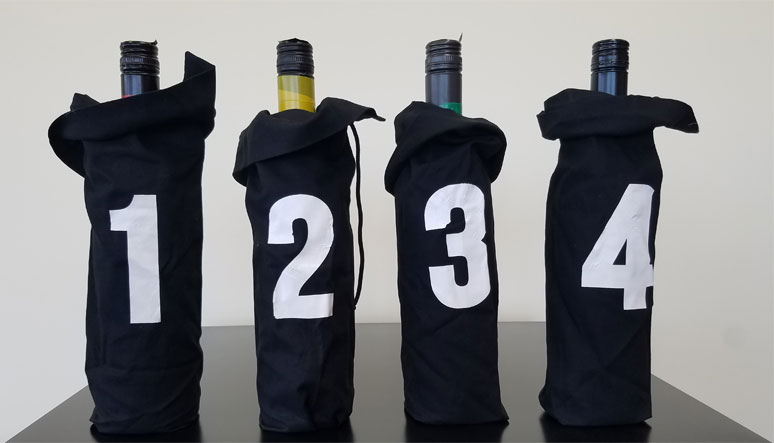
Better still, we think it is also the most objective. Each show is run independently but they are all governed by the same rules including blind tasting. This removes one of the biggest known sources of wine evaluation bias and means a $10 wine can compete with a $300 wine on its organoleptic merits alone.
The other reason we love wine shows is because of the people who judge them. Sometimes they’re critics and journalists. But mostly they’re the people who make them. The people who actually know the tricks in the winery, who can accurately identify faults and who are more concerned with a wine’s technical qualities than flowery descriptions of its palate.
Wine shows have their limitations. They can only judge the wines submitted for judging. But they’re no different in that regard to critics who usually only assess wines they’re sent. What we do see, however, is a much broader range of wines that are much more commonly seen on the shelves than the small-batch minnows that confine themselves to less competitive assessment.
We also accept that wine show scores are statistically “noisy”. In other words, a wine can be awarded a gold medal at one show but fail to achieve a published score at another.
But that’s not unusual. We also see a low correlation between wine show scores and critics’ wine scores. And wine critics themselves often display little agreement about a wine’s merits.
This is why we like relying on the biggest pool of data we can find. We think the best way of deciding one wine is better than another is if it achieves more independently judged, high scores from experts more often. That way you know our top wines are more than just one person’s opinion.